
General contractor marketing works differently from many other types of company marketing. Construction projects often involve larger budgets, longer sales cycles, and more stakeholders. Before reaching out, prospects usually spend time researching contractors, reviewing project experience, and evaluating credibility.
That means marketing for general contractors needs to do more than generate traffic. It needs to help potential clients find your company, trust your experience, and feel confident starting a conversation.
For residential contractors, this often means strong local visibility and a website that converts inquiries into leads. For commercial contractors, marketing typically supports referrals, reputation, and research during contractor evaluation.
To see how these tactics fit into a broader strategy, explore our full guide on construction marketing.
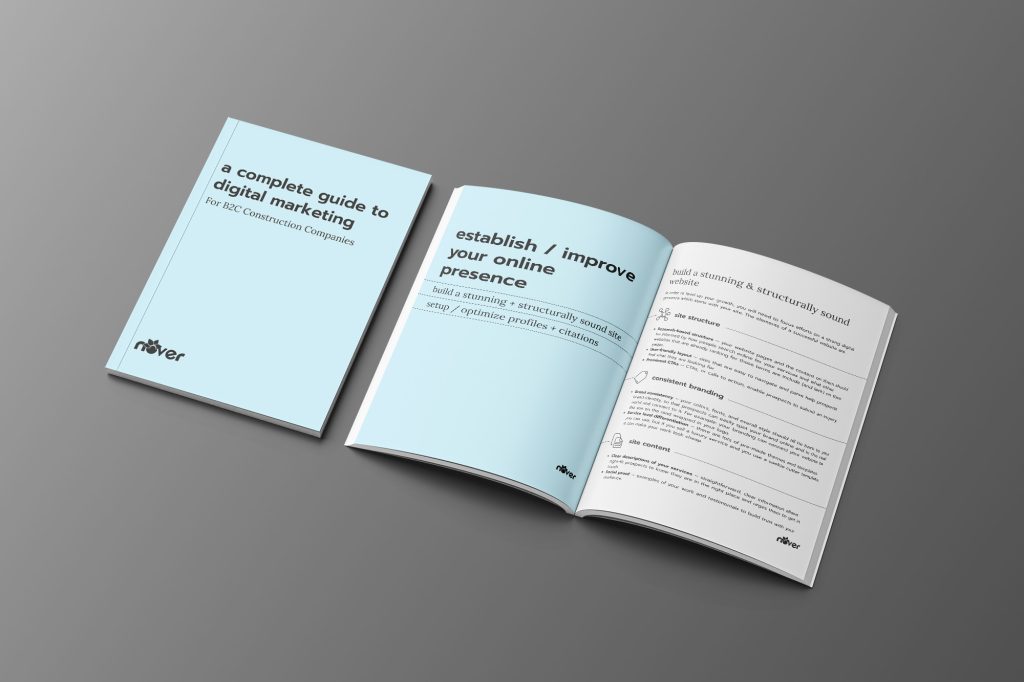
Why General Contractor Marketing Works Differently
Construction projects are complex purchases. Clients rarely hire a contractor after a single interaction. Instead, they typically evaluate:
- Past project experience
- Reputation and referrals
- Online presence and credibility
- Communication and professionalism
- Ability to deliver similar projects
Because of this, marketing for general contractors must focus heavily on trust signals and proof of experience, not just visibility.
A strong marketing strategy helps your company appear credible before the first conversation even begins.
Build Trust With Project Experience and Proof

One of the most effective elements of general contractor marketing is showcasing real project experience.
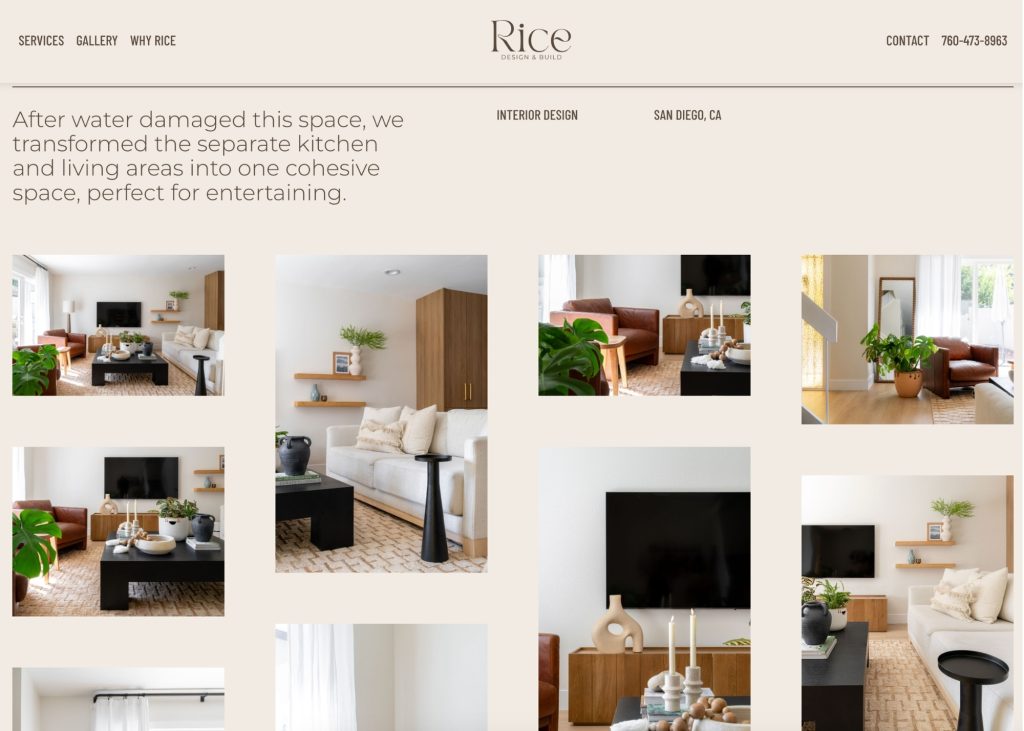
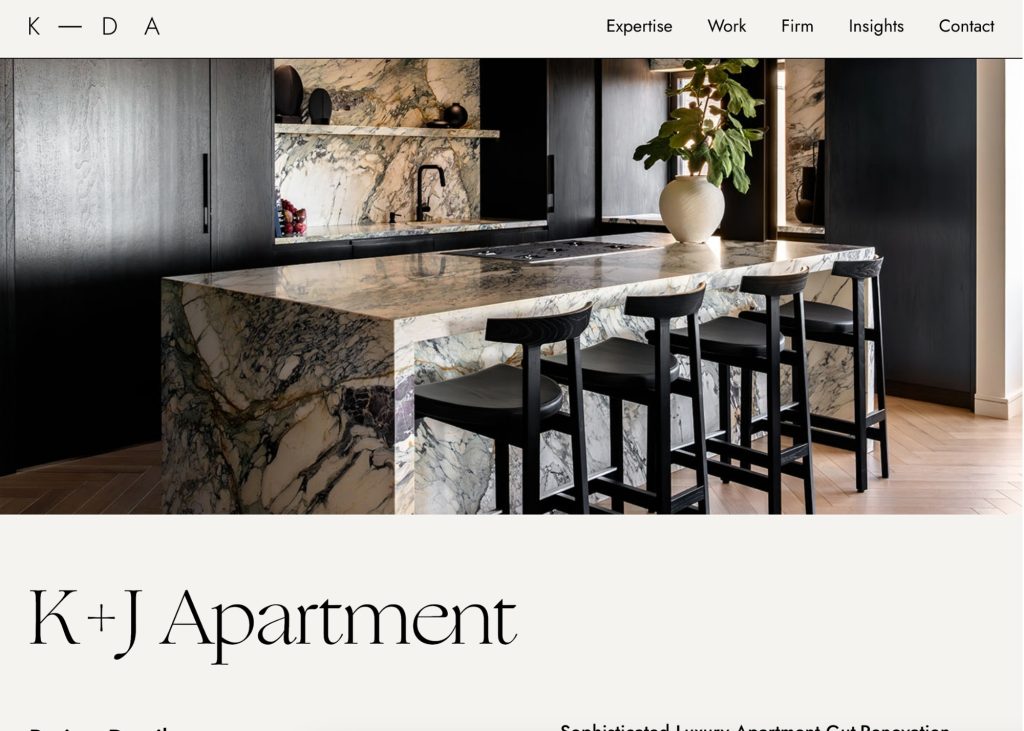
Prospects want to see proof that your company has successfully delivered projects like theirs. A well-organized project portfolio provides that proof and gives potential clients confidence in your capabilities.
Strong portfolio content typically includes:
- High-quality project photography
- Project descriptions and scope details
- Design or construction challenges
- Solutions implemented by your team
- Final outcomes and completed spaces
Individual project pages and case studies are also valuable for SEO. They help search engines and AI systems understand the type of work you perform, the industries you serve, and the expertise your team brings to projects.
Over time, a library of project pages becomes one of the most powerful trust-building assets on a construction website.
Improve Search Visibility in Google and AI

Search visibility is important for both residential and commercial general contractors.
Residential clients often search directly for contractors in their area. Queries like “home addition contractor near me” or “kitchen remodel contractor” frequently lead prospects to local construction companies.
Commercial opportunities are often driven by relationships and RFPs, but research still plays a major role. Developers, investors, architects, and property managers commonly evaluate contractors online before initiating conversations.
That’s why SEO, AEO (answer engine optimization), and broader AI search visibility are valuable. These strategies help contractors appear in search results when prospects research:
- Contractor experience
- Project types
- Industry sectors
- Local construction companies
- Contractor reputation
For residential contractors, search visibility can directly generate leads. For commercial contractors, it often strengthens credibility when prospects investigate your firm after receiving a referral.
Website Structure for General Contractors

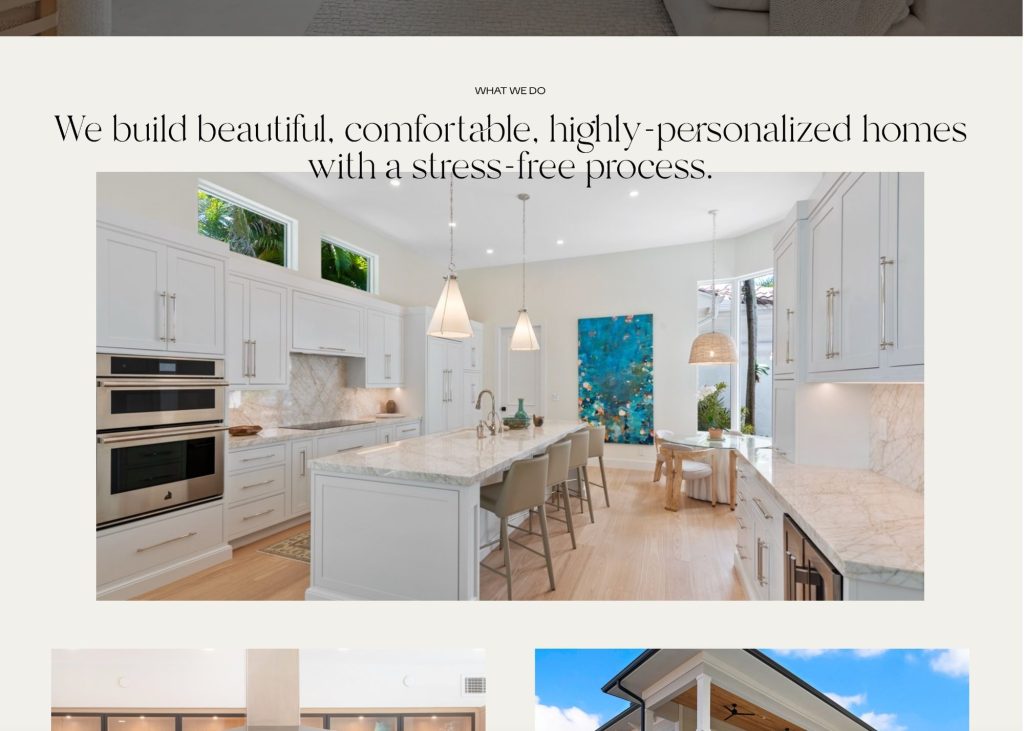

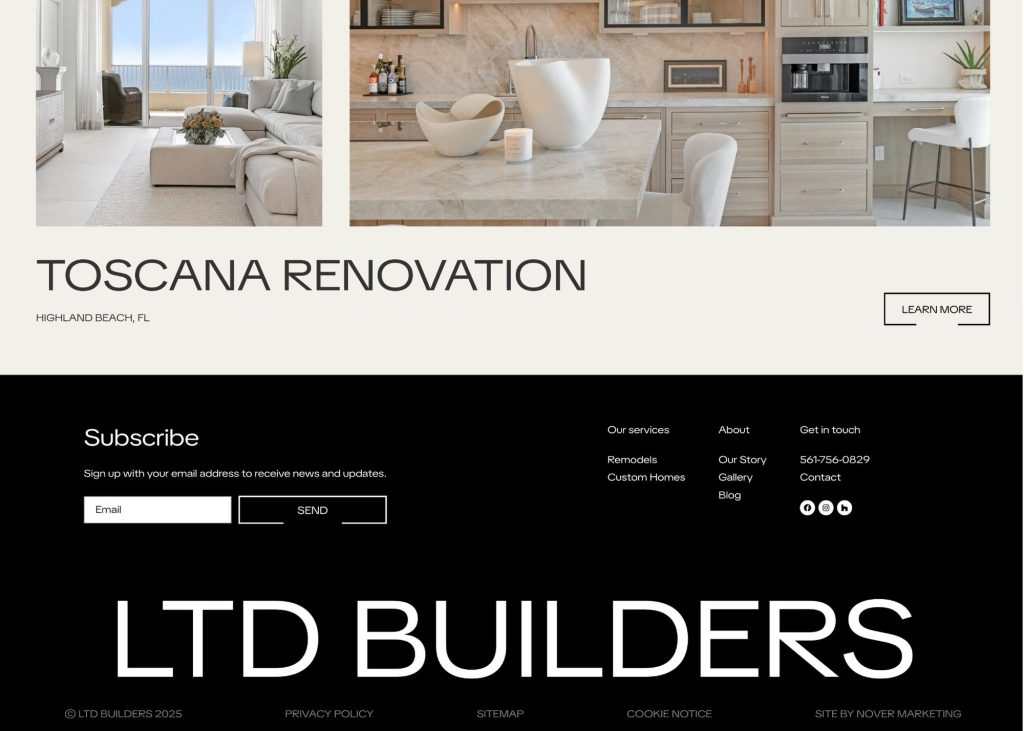
Your website should help visitors quickly understand what your company does, what projects you build, and why they should trust you.
In our experience researching, mapping, designing, and writing roughly 30+ construction websites per year, most general contractor websites require a similar core structure.
Typical construction websites include:
- Homepage
- Service overview page
- Individual service pages
- Project portfolio page
- Individual project pages
- Industry sector pages (primarily for commercial contractors)
- About page with leadership profiles
- Blog or insights section
- Careers page (often for commercial contractors or larger firms)
- Contact page
- Footer highlighting certifications or associations
A clear structure helps both visitors and search engines understand your company. It improves usability, strengthens SEO, and makes it easier for potential clients to evaluate whether your firm fits their project.
Thought Leadership Builds Authority

Content marketing allows general contractors to demonstrate expertise before a prospect ever reaches out.
Educational articles discussing topics such as:
- Construction planning
- Project delivery methods
- Budgeting and scheduling
- Regulatory considerations
- Construction technology
- Industry trends
can help position your firm as a knowledgeable and reliable partner.
Publishing this type of content supports SEO and improves visibility in both traditional search engines and AI-driven search tools.
Thought leadership also gives referral partners something valuable to share when recommending your company.
Marketing Should Support Relationships, Not Replace Them

Many commercial construction projects originate through relationships with architects, engineers, developers, and consultants.
Residential contractors can benefit from this as well. When contractors are not design-build firms, strong relationships with architects frequently lead to consistent referrals.
Marketing does not replace relationship-driven business development. Instead, it reinforces it.
When someone hears about your company through a referral, their next step is often to look you up online. Your website, project portfolio, and search presence help validate that referral and strengthen trust before the first meeting.
In this way, marketing acts as a credibility layer that supports existing business development efforts.
Conclusion
Effective general contractor marketing focuses on three core outcomes:
- Visibility – helping prospects find your company when they research contractors
- Credibility – demonstrating project experience and expertise
- Trust – reinforcing referrals and industry relationships
By combining a strong project portfolio, clear website structure, search visibility, and thought leadership, general contractors can attract better opportunities and improve lead quality.The goal is not just more inquiries — it’s better projects and stronger partnerships.
FAQ: General Contractor Marketing
What is general contractor marketing?
General contractor marketing refers to the strategies construction companies use to build visibility, credibility, and lead pipelines. This often includes websites, SEO, project portfolios, content marketing, and referral support.
How do general contractors get better leads?
Better leads usually come from a combination of strong project portfolios, search visibility, referrals from architects or developers, and a clear website that communicates experience and capabilities. Residential contractors also need to invest in lead gen strategies like paid advertising.
Does SEO matter for commercial general contractors?
Yes. Even though commercial projects often originate through relationships or RFPs, decision-makers still research contractors online before starting conversations. SEO helps ensure your firm appears credible during that research process.
What should a general contractor website include?
Most contractor websites include a homepage, service pages, project portfolio pages, an about page, blog or insights section, contact page, and certifications or association badges.
Why are project portfolios important for contractor marketing?
Project portfolios demonstrate real experience and help prospects evaluate whether a contractor can deliver similar projects. They also strengthen SEO by providing search engines with detailed content about your work.
