Branding for Architecture Firms
Strategic branding for architecture firms and design practices
From specialized residential studios to established commercial and multidisciplinary firms, we create brands that communicate design perspective, build client confidence, and support better-fit project opportunities.
Get started with a complimentary consultation.
This site is protected by reCAPTCHA, and the Google Privacy Policy and Terms of Service apply.



















We know architecture firm branding
Architecture firms are often judged first by their project imagery, but a strong portfolio does not always explain what makes a practice different. Prospective clients also need to understand your specialization, design philosophy, process, and fit for the type of project they are planning.
We combine brand strategy, positioning, messaging, visual identity, website alignment, and pursuit materials to help architecture firms become easier to understand, recognize, and trust.
Whether your firm is entering a new sector, pursuing larger projects, expanding geographically, or outgrowing an outdated identity, we will build a brand system around your practice and the work you want to win.
Explore our full range of branding and identity services.
1 Brand Strategy
A strong architecture brand begins with clarity about your sectors, project types, ideal clients, geographic markets, competitors, and growth goals.
We evaluate how the firm is currently perceived, identify where the brand creates confusion, and establish a strategic foundation that guides messaging, visual identity, marketing, and business development.
2 Brand Positioning
Architecture firms often rely on similar language about thoughtful design, collaboration, innovation, and client service.
We help identify the design perspective, sector expertise, process, project strengths, geographic knowledge, and client value that genuinely differentiate your practice. The goal is to clarify where your firm fits and why the right clients should select it.
3 Brand Messaging
Strong messaging gives context to the work shown in your portfolio.
We develop clear language that explains what your firm designs, who it serves, how it approaches projects, and what clients can expect. This may include core messaging, value propositions, design philosophy, service language, sector-specific statements, taglines, and direction for future content.
4 Visual Identity
Your visual identity should complement your work without competing with it or making the firm look interchangeable with every other design practice.
We create cohesive identity systems that may include logo design or refinement, typography, color palettes, imagery direction, graphic elements, and layout standards for digital and print applications.
5 Website Branding
An architecture website should do more than present a gallery of attractive projects.
We translate your brand into a strategic digital experience that connects project imagery with clear service, sector, process, and positioning content. The result helps visitors understand not only what you design, but whether your firm is the right fit.
6 Proposal Storytelling
Project pages should explain more than location, square footage, and scope.
We develop project profiles and case studies that connect design decisions to client goals, site conditions, constraints, collaboration, and outcomes. This gives prospective clients a clearer view of how your team thinks and works.
7 Proposal + Qualification Materials
Statements of qualifications, proposals, interview presentations, and capability materials often influence whether an architecture firm advances in the selection process.
We create polished, on-brand pursuit materials that communicate relevant experience, project understanding, team qualifications, and design perspective clearly and consistently.
8 Brand Guidelines
An architecture brand may be used by leadership, marketing teams, project staff, recruiters, regional offices, photographers, and outside partners.
We create practical guidelines for messaging, voice, logo usage, typography, colors, imagery, project presentation, and document design so the firm remains consistent across every touchpoint.
9 Brand Rollout
A rebrand creates limited value when it is only applied to a logo file or website home page.
We help carry the new system across proposals, project sheets, presentations, social profiles, email signatures, signage, recruiting materials, awards submissions, templates, and other priority applications.
Different branding needs for different architecture firms
Architecture firms do not all serve the same clients, compete for the same projects, or communicate the same type of design value.
A custom residential studio speaking directly to homeowners needs a different brand position than a commercial firm pursuing developers, a landscape architecture practice working with municipalities, or a multidisciplinary firm competing for institutional work.
We tailor the strategy, messaging, visual identity, and rollout to your sectors, audiences, procurement process, and growth goals.
- Residential architecture firms
- Commercial architecture firms
- Landscape architecture firms
- Interior architecture firms
- Healthcare architecture firms
- Education architecture firms
- Hospitality architecture firms
- Civic and institutional firms
- Industrial architecture firms
- Historic preservation firms
- Urban design and planning firms
- Multidisciplinary design firms
Ryan Brining, Owner of White Maple Construction
“We have been extremely happy with the results. They started with creating a new website, which is beautiful and also a much more effective lead generation tool than our previous website. They are in the process of building a robust long-term SEO strategy for us, and we have had increased visibility each month. Our ads strategy has also been very helpful in the short term for getting more qualified leads for larger projects like we were hoping, helping us to double revenue this year and keep us on track to meet or exceed our long term goals for growth. Highly recommend!”
+400%
Increase in average project size
+87%
Year-over-year revenue growth
Greg Oaks, Owner of Oaks Brothers Inc.
“The entire Nover team has been such a pleasure to work with. They are very transparent and have made the process such an enjoyable experience. Along this journey they have become friends as well which I think speaks volumes about how companies interact with their clients. I am not just another number to them I am actual valued client. I started out with the idea of them taking care of one of my business however, they are on my third business helping getting it rebranded and or started.”
+300%
Increase in site traffic year-over-year
+169,000%
Increase in LinkedIn visibility year-over-year
Proven results that help contractors win more projects
Real branding and marketing outcomes we have delivered for architecture firms and other design-focused AEC organizations nationwide.
Our work
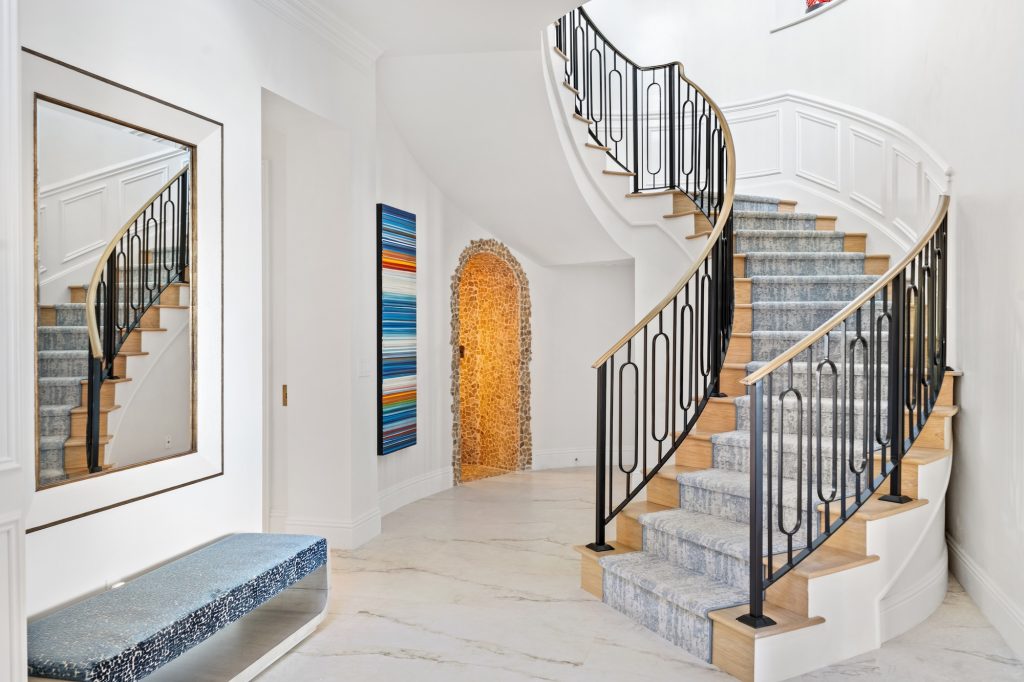
From architecture brand systems and visually driven websites to project storytelling, proposals, and qualification materials, we help firms communicate their work with greater clarity, consistency, and confidence. Check out some of our featured work.


Why Nover?
1 Industry-specific focus
We work exclusively with architecture, engineering, construction, manufacturing, and related building-sector companies.
That specialization helps us understand project-based businesses, qualification-driven selection, long decision cycles, multiple stakeholders, and the balance architecture firms must strike between visual presentation and clear business messaging.
2 Strategy before design
We do not begin by selecting colors or sketching logos. We first clarify the work your firm wants to be known for, the clients it wants to reach, and the reasons it should be selected.
That strategic foundation gives the identity direction and prevents subjective design preferences from driving the entire branding process.
3 Full service execution
Brand strategy, messaging, visual identity, websites, project content, proposals, PR, and campaigns work better when they are developed together.
Our in-house team can carry the brand from initial research through the practical systems and materials your firm uses to attract clients, pursue work, and recruit employees.
Frequently asked questions
What is architecture firm branding?
Architecture firm branding is the process of defining how an architecture practice is positioned, communicated, and experienced in the market.
It includes brand strategy, messaging, visual identity, website alignment, project presentation, pursuit materials, and the overall impression prospective clients and partners form when evaluating the firm.
Why do architecture firms need a brand strategy?
Strong project work does not always explain why a prospective client should choose one architecture firm over another.
A brand strategy clarifies your position, specialization, design perspective, audience fit, and growth direction so the market can understand where your firm is strongest.
Is architecture branding more than a logo?
Yes. A logo is only one component of an architecture brand.
The broader brand includes positioning, messaging, design philosophy, visual standards, website experience, project storytelling, proposals, presentations, reputation, and the consistency of every client touchpoint.
What makes architecture branding effective?
Effective architecture branding makes the firm easier to understand, trust, and remember.
It connects strategy, messaging, visual identity, project presentation, website experience, and supporting materials so prospective clients can clearly see what the firm does and what sets it apart.
How is architecture branding different from general branding?
Architecture branding must support long sales cycles, high-trust decisions, project-based evaluation, and audiences with different priorities.
It also needs to balance strong visual presentation with clear communication around specialization, process, design perspective, project fit, and technical credibility.
How do architecture firms differentiate through branding?
Architecture firms differentiate by clearly identifying the sectors, project types, clients, design challenges, or ways of working where they create the greatest value.
Strong branding turns those distinctions into a clear market position rather than relying on broad claims about thoughtful design, collaboration, or creativity.
What should architecture firm messaging include?
Architecture firm messaging should explain the practice’s positioning, project strengths, design philosophy, ideal client fit, process, and the value its work creates.
The language should give context to the portfolio and help prospective clients understand why the firm may be right for their specific project.
Should an architecture website reflect the brand strategy?
Yes. The website is one of the main places prospective clients experience the brand.
It should reflect the firm’s positioning, messaging, visual identity, project strengths, and audience priorities rather than functioning only as an image gallery.
How can project pages strengthen an architecture brand?
Project pages can demonstrate how the firm responds to goals, constraints, site conditions, budgets, stakeholders, and design challenges.
This helps prospective clients evaluate the thinking behind the finished work and gives the portfolio more strategic context.
Can branding help an architecture firm attract better projects?
Branding cannot replace strong work, relationships, or qualifications, but it can make the firm’s ideal project fit and value clearer.
That clarity can help better-fit prospects recognize the relevance of the practice, strengthen referrals, improve website conversion, and reduce inquiries that do not align with the firm’s goals.
How does branding support proposals and interviews?
A clearly defined brand gives proposals, qualifications packages, and interview presentations a consistent position and narrative.
Relevant messaging, organized project proof, and cohesive visuals can make the firm easier to evaluate and help reinforce why it is well suited to the opportunity.
Can branding help an architecture firm enter a new sector?
Yes. Branding can clarify how the firm’s existing experience, approach, and transferable expertise apply to a new sector.
A market-entry effort may include refined positioning, sector-specific messaging, relevant project stories, new website content, targeted pursuit materials, and stronger business development language.
How does branding support architecture recruiting?
Potential employees evaluate a firm’s design quality, reputation, culture, leadership, project opportunities, and future direction.
A clear and credible brand can help communicate what the firm stands for, the work employees may contribute to, and why strong candidates should consider joining the practice.
When should an architecture firm rebrand?
An architecture firm should consider rebranding when its positioning is unclear, its website no longer reflects the quality of its work, or the practice has evolved beyond its current identity.
Other signs include generic messaging, inconsistent pursuit materials, expansion into new sectors or locations, leadership changes, and a desire to compete for larger or more specialized work.
Does an architecture firm need a complete rebrand?
Not always. Some firms need a full strategic and visual overhaul, while others need clearer positioning, improved messaging, a visual refresh, stronger project storytelling, or more consistent proposal materials.
We evaluate the current brand and business goals before recommending the appropriate scope.
Can you refresh our brand without replacing the firm name or logo?
Yes. An architecture firm may retain a recognizable name or logo while improving the positioning, messaging, typography, color, imagery, website, and supporting materials around it.
Existing elements should only be replaced when they create a meaningful strategic, visual, legal, or reputational limitation.
How long does an architecture branding project take?
The timeline depends on the size and complexity of the firm, the number of sectors and stakeholders involved, and the scope of implementation.
A focused positioning or visual refresh may move more quickly than a complete strategy, identity, website, project content, and proposal rollout.
What do we receive at the end of the project?
Deliverables depend on scope but may include positioning and messaging documentation, voice guidance, logo files, typography and color systems, visual assets, brand guidelines, project-story frameworks, proposal templates, and completed website or marketing materials.
The final scope and deliverables are defined before the engagement begins.
Do I own my brand assets?
Yes. Your approved brand assets are business assets, and your firm should retain ownership of them.
We provide the relevant final files and guidance needed for your internal team and approved partners to use the brand consistently.
Do you white-label your services?
No. Our research, strategy, messaging, design, and implementation work are handled by our in-house team.
The people involved in your meetings are directly connected to the work, creating clearer communication, stronger alignment, and greater accountability.
Build a Stronger Architecture Brand
Get a personalized one-on-one consultation with our leadership team.
- Recommendations based on your firm and growth goals
- Answers to your branding and rebranding questions
- Transparent information about process, scope, and pricing
This site is protected by reCAPTCHA, and the Google Privacy Policy and Terms of Service apply.