
Construction Website Design
Website design and development for construction companies.
A construction website has to do more than look good.
Prospective clients need to quickly understand what you build, where you work, the size and type of projects you take on, whether you have relevant experience, and what it is like to work with your team.
Then they need a clear way to take the next step.
We design construction websites that combine strong project presentation with clear positioning, intuitive navigation, SEO foundations, and conversion paths built around the work your company actually wants to win.
Get started with a complimentary consultation.
This site is protected by reCAPTCHA, and the Google Privacy Policy and Terms of Service apply.























We know construction website design
Construction website design is the process of presenting a contractor’s services, markets, projects, expertise, brand, and contact pathways in a website built around how prospective clients research and evaluate construction partners.
Construction is visual, but a gallery of beautiful finished projects is not enough.
A homeowner comparing design-build firms may be evaluating service area, budget fit, process, reviews, and project style. A developer researching commercial general contractors may care more about market experience, project scale, safety, team capabilities, and relevant qualifications.
We build around those differences.
Our website design and development services combine business strategy, content, visual design, SEO, development, conversion planning, and analytics so your site supports the larger goals of the company rather than operating as a digital brochure.
1 Website strategy
Before designing pages, we identify the work your company wants more of.
That means understanding your priority services, project types, client groups, geographic markets, average project size, growth goals, and current sales process.
A custom home builder looking to increase average project value needs a different website from a commercial contractor expanding into healthcare or a specialty subcontractor trying to build relationships with general contractors in new regions.
Those business decisions inform the website.
We use them to determine which services deserve dedicated pages, which projects should be featured, how locations should be handled, what information prospects need before contacting you, and which calls to action make sense.
The goal is not simply to represent the company you are today. A strong website should also support the direction you want the business to move.
2 Service and market architecture
Construction companies often offer more services than their websites make clear.
A design-build company may handle additions, whole-home remodeling, custom homes, kitchens, and preconstruction. A commercial contractor may work across hospitality, retail, healthcare, offices, and tenant improvements. A specialty contractor may serve several trades across multiple states.
We organize that information around how buyers research and evaluate contractors.
Depending on the company, the site architecture may connect:
- Services
- Markets or sectors
- Project types
- Locations
- Specialty capabilities
- Projects
- Resources
- Team expertise
This structure serves two purposes.
It makes the website easier for prospective clients to navigate, and it creates a stronger foundation for search visibility because search engines can more clearly understand what the company does and where it does it.
3 Construction project portfolios
Your projects are one of your strongest forms of proof.
But a photo alone leaves a lot of questions unanswered.
Where appropriate, we structure project pages to communicate details such as:
- Project type
- Location
- Scope
- Services provided
- Client or project challenge
- Relevant constraints
- Construction approach
- Notable materials or features
- Project outcomes
Not every project needs to become a long case study. Sometimes a concise summary and strong photography are enough.
The important part is context.
If a prospective client is researching a $1 million custom home, a commercial tenant improvement, or a complex exterior system, they should be able to find work that tells them, “Yes, this company has done something relevant before.”
For larger portfolios, we can also develop filters and related-project systems that allow users to browse by service, market, project type, or another category that actually matters to buyers.
4 Brand and visual design
Construction companies produce highly visual work. The website should take advantage of it.
Strong project photography, video, jobsite footage, renderings, details, and before-and-after imagery can quickly communicate quality and scale.
But imagery should support the website, not make it harder to use.
We balance visual presentation with readable typography, clear page hierarchy, thoughtful white space, accessible contrast, intuitive navigation, and obvious next steps.
The visual direction should also match the service being sold.
A luxury custom builder should not look like a commodity home-service business. A large commercial contractor should not look like a small residential remodeler. A specialty subcontractor pursuing sophisticated general contractors needs a site that reflects technical capability and scale.
Our AEC branding services can address the broader identity when the website exposes problems with the existing brand.
5 SEO and local search foundations
For many contractors, the website is one of the most important assets in their search strategy.
Prospective clients commonly search by a combination of service and location:
“custom home builder [city]”
“commercial remodeling contractor [city]”
“tenant improvement contractor [region]”
“fireproofing contractor [state]”
We use keyword and competitive research to determine where real demand exists and build the website accordingly.
That can influence service pages, location pages, market content, headings, URLs, metadata, internal links, projects, FAQs, and future content.
Local and regional contractors may also need a broader local SEO foundation that connects the website with their Google Business Profile, service-area information, reviews, and consistent business information across the web.
Our SEO services extend that foundation after launch with ongoing content and optimization.
We also account for AEO, or answer engine optimization, so clear information about your services, markets, experience, and locations can be understood by AI-powered search platforms as well as traditional search engines.
6 Conversion and lead qualification
More leads are not always better.
If you specialize in $500,000 remodels, an inbox full of requests for $15,000 bathrooms creates work without creating much opportunity.
We design conversion paths around project fit.
Depending on the company, inquiry forms may ask about:
- Project type
- Location
- Budget range
- Desired timeline
- Property type
- Project status
- Relevant services
The objective is not to create the longest possible form. It is to gather enough information to make the next sales conversation useful.
We also include credibility where prospects need it: reviews, testimonials, relevant project examples, awards, certifications, process information, service-area clarity, and other signals that reduce uncertainty.
Our lead generation services for construction companies can extend the website into SEO, PPC, paid social, CRM, and other channels when active demand generation is a priority.
7 Responsive website development
Your prospects are not always researching contractors from a desk.
A homeowner may pull up your site while touring a property. A developer may review projects between meetings. A superintendent or general contractor may research a specialty firm directly from a jobsite.
The mobile experience cannot be an afterthought.
We build responsive websites that maintain clear navigation, readable content, strong imagery, usable forms, and obvious calls to action across screen sizes.
We typically develop in WordPress using Elementor, which gives our team flexibility during design while providing clients with a manageable system after launch.
You receive full administrative access and ownership of the site.
8 Recruiting and careers
For many construction businesses, generating additional demand is only part of the growth problem.
You also need enough qualified people to complete the work.
When recruiting is a strategic priority, the website should give prospective employees a useful path separate from prospective clients.
That can include:
- Career opportunities
- Company culture
- Benefits
- Field and office roles
- Employee stories
- Project imagery
- Training and advancement
- Office or service locations
Commercial contractors and rapidly growing residential firms may benefit from treating recruiting as its own website journey rather than burying open positions on a single generic page.
The website should help clients understand why they should hire you and, where appropriate, help potential employees understand why they should work for you.
9 Analytics, CRM and lead tracking
A construction website should give you useful information about what happens after launch.
We configure analytics and conversion tracking around meaningful actions, not simply pageviews.
Depending on the company, that can include:
- Qualified form submissions
- Phone clicks
- Consultation requests
- Organic search conversions
- Service-page performance
- Project-page engagement
- Recruiting actions
- Downloads
- Paid campaign conversions
- Assisted conversions
Where it makes sense, website forms can also connect with your CRM and marketing automation systems so lead source, follow-up, and sales progress are easier to track.
Not every contractor needs an elaborate technology stack.
We recommend integrations based on the sales process and the amount of data the business can realistically use.
Different website needs for different construction companies
Construction companies do not all sell the same way.
A residential design-build firm may rely heavily on consumers researching contractors online. A commercial general contractor may generate most opportunities through existing relationships, referrals, RFPs, architects, developers, or owner representatives.
That difference should change the website.
We develop construction company web design for businesses including:
- Custom home builders
- Design-build firms
- Remodeling companies
- Commercial general contractors
- Specialty contractors
- Exterior and building-envelope contractors
- Industrial contractors
- Multi-location and regional contractors
For B2C firms, the site may need greater emphasis on local SEO, reviews, project photography, process education, budget expectations, service-area information, and clear inquiry paths.
The prospect may have never hired a builder before. The website has to educate as well as sell.
Commercial construction works differently.
A general contractor or specialty firm may need deeper market expertise, capabilities, qualifications, safety information, project scale, geographic coverage, and evidence that supports an existing business-development process.
The website might not originate every commercial opportunity. It still matters when a developer, general contractor, procurement team, or new referral researches the company before responding to an email or taking a meeting.
In both situations, the website should be designed around the actual sales process rather than a generic contractor template.
Ryan Brining, Owner of White Maple Construction
“We have been extremely happy with the results. They started with creating a new website, which is beautiful and also a much more effective lead generation tool than our previous website. They are in the process of building a robust long-term SEO strategy for us, and we have had increased visibility each month. Our ads strategy has also been very helpful in the short term for getting more qualified leads for larger projects like we were hoping, helping us to double revenue this year and keep us on track to meet or exceed our long term goals for growth. Highly recommend!”
+400%
Increase in average project size
+87%
Year-over-year revenue growth
Greg Oaks, Owner of Oaks Brothers Inc.
“The entire Nover team has been such a pleasure to work with. They are very transparent and have made the process such an enjoyable experience. Along this journey they have become friends as well which I think speaks volumes about how companies interact with their clients. I am not just another number to them I am actual valued client. I started out with the idea of them taking care of one of my business however, they are on my third business helping getting it rebranded and or started.”
+300%
Increase in site traffic year-over-year
+169,000%
Increase in LinkedIn visibility year-over-year
Proven results that help contractors win better-fit work
Our work
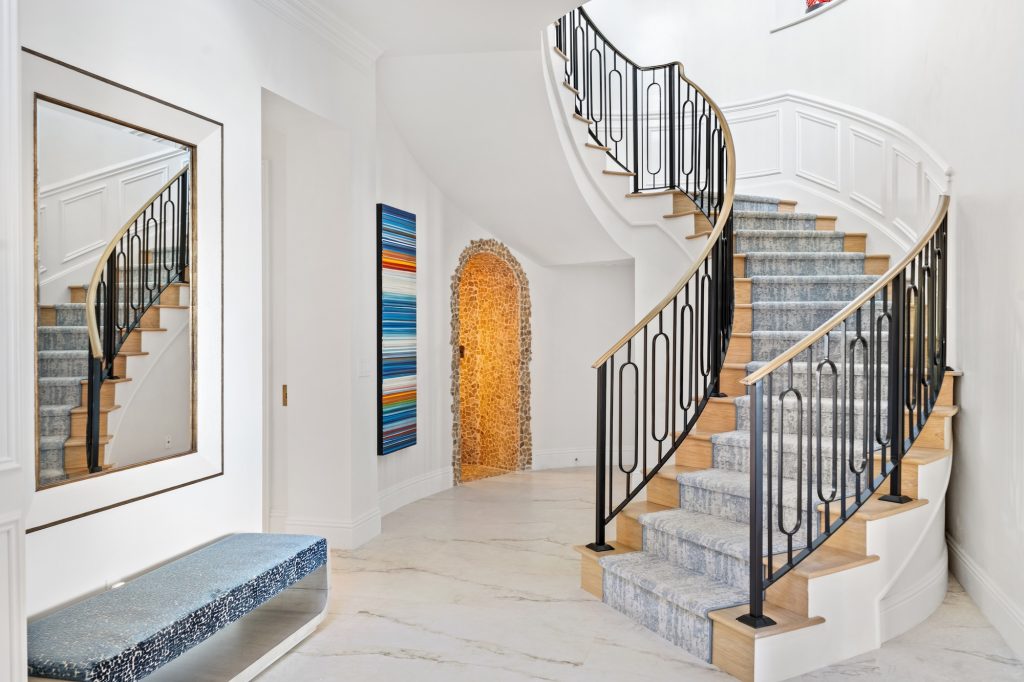
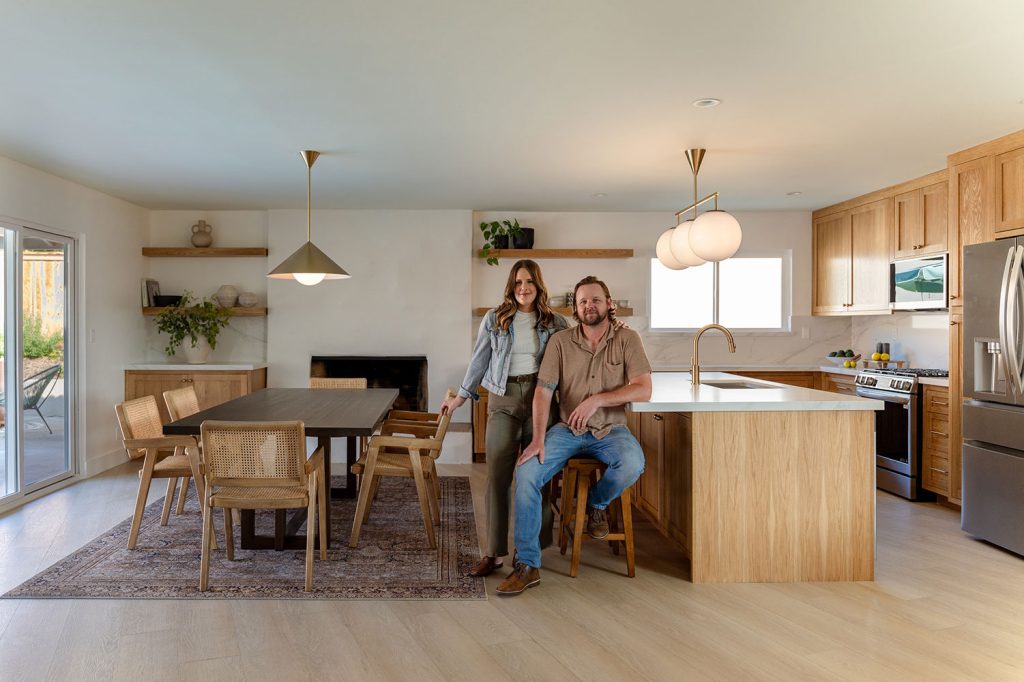
Construction website design has a visual search intent.
Prospective clients should be able to see the interfaces we create, not simply read about our process.
Check out some of our featured work.
Why Nover?
1 Construction industry experience
We work exclusively with architecture, engineering, construction, manufacturing, and related companies.
That means we understand the difference between a custom builder and a commercial GC, between a direct-to-consumer remodeler and a subcontractor selling through relationships, and between generating more inquiries and generating the right opportunities.
We also understand that referrals still matter.
A construction website does not have to replace relationships to be valuable. It should make those relationships stronger by giving people something credible to find when they research the company.
2 Strategy built around the work you want to win
We do not begin a website project by asking which template you like.
We begin with the business.
What services do you want to grow? Which projects are most profitable? What is your ideal project size? Where do you want to work? Who makes the buying decision? Where are opportunities currently coming from?
Those answers shape the site architecture, content, portfolio, visual direction, and calls to action.
Good construction website design should support where the company is going, not only document where it has been.
3 Website, SEO and lead generation work together
A website is the foundation for a larger digital system.
SEO determines whether the right prospects can find it.
Paid advertising can put it in front of people actively searching today.
Project content builds confidence.
Branding influences how the company is perceived.
Forms determine what information your sales team receives.
CRM and marketing automation can help track and nurture opportunities after they convert.
Because our team handles SEO services, AEO services, paid advertising, CRM and marketing automation, branding, content, and lead generation, we can make website decisions with the entire customer journey in mind.
4 Flexible, full-service execution
Your priorities will change.
A contractor may need a major website push during the first few months, then move resources toward SEO and PPC after launch. Another may need ongoing content, photography, branding, recruiting, or sales collateral.
We do not believe every company needs every tactic.
We focus our time on the work most likely to move your business forward and adjust as the data and your priorities change.
Frequently asked questions about construction website design
What should a construction company website include?
A construction company website should clearly explain services, markets or service areas, relevant projects, company expertise, trust signals, and how prospective clients can start a conversation or determine project fit.
Strong construction websites typically include service pages, a project portfolio, company information, testimonials or other credibility signals, clear contact information, and an inquiry path.
The exact structure depends on the business. A custom home builder and a commercial specialty contractor should not have identical websites.
How many projects should a construction website showcase?
There is no universal number.
The goal is to show enough relevant work for prospective clients to understand the types, quality, and scale of projects your company can successfully complete.
A smaller contractor may benefit from a tightly curated portfolio of its strongest work. A larger company may need dozens or hundreds of projects organized with meaningful filters.
Quality, relevance, photography, and project context matter more than publishing every job you have ever completed.
Is local SEO important for a construction website?
Local SEO is especially important for contractors whose clients actively search online for services within a specific geographic area.
Custom home builders, remodelers, ADU builders, tenant improvement contractors, home-service companies, and regional specialty contractors can all benefit from strong local search visibility.
The website should clearly communicate services and service areas while supporting the broader local SEO system with accurate business information, Google Business Profile optimization, reviews, useful content, and relevant links.
Commercial firms with heavily relationship-driven sales processes may place less emphasis on local lead generation, but geographic and market visibility can still help prospective clients validate the company.
How can a construction website generate better leads?
A construction website is more likely to generate qualified inquiries when it combines relevant search visibility, clear service and project information, strong proof, simple navigation, useful calls to action, and an inquiry process aligned with the contractor’s ideal projects.
Qualification matters.
If project type, location, budget, or another criterion determines whether an opportunity is viable, the website should communicate that information clearly and collect useful details before the first sales conversation.
The objective is not the highest possible form-submission count. It is more opportunities that fit the business.
How should residential and commercial contractor websites differ?
Residential construction websites often need to educate consumers who may have limited experience hiring a contractor. Project photography, reviews, process information, budget guidance, service areas, FAQs, and direct inquiry paths can all be important.
Commercial construction websites often support a more relationship-driven and qualification-based process.
Those sites may place greater emphasis on markets, capabilities, safety, project scale, geographic reach, team expertise, technical experience, qualifications, and proof that helps developers, general contractors, owners, architects, or procurement teams evaluate the firm.
Both need strong design. The information hierarchy and conversion strategy should reflect how each business actually wins work.
Build a construction website that supports better-fit opportunities
Your website should make it easier for the right prospects to answer the questions that matter:
Do you perform the type of work they need?
Do you work in their market?
Have you completed similar projects?
Can they trust you with the investment?
And what should they do next?
We design construction websites around those decisions, connecting project presentation with business strategy, SEO, lead qualification, development, and measurement.
The result is a website designed not simply to look better, but to support the kind of work your construction company wants to win.
This site is protected by reCAPTCHA, and the Google Privacy Policy and Terms of Service apply.