
Architecture Website Design
Website design and development for architecture firms.
An architecture website should do more than display beautiful work. Prospective clients also need to understand your services, sector experience, design approach, process, project fit, geography, and why your firm is the right choice for their project.
We design architecture websites that balance strong visual presentation with clear messaging, intuitive user experience, search visibility, and logical paths to contact. The result is a digital presence that reflects the quality of your work while supporting the type of work your firm wants to win.
Get started with a complimentary consultation.
This site is protected by reCAPTCHA, and the Google Privacy Policy and Terms of Service apply.























We know architecture website design
Architecture website design is the process of organizing and presenting an architecture firm’s services, sectors, projects, expertise, and brand in a digital experience that helps prospective clients evaluate the firm and take the next step.
Architecture is inherently visual, so project photography and design presentation matter. But prospective clients rarely choose a firm based on imagery alone. Homeowners, developers, institutions, contractors, public agencies, and other decision-makers also need enough context to understand whether your team has relevant experience and is a good fit for their project.
We bring website strategy, visual design, content, SEO, development, and business development thinking together so each part of the site supports the same goals.
Explore our website design and development services for AEC companies.
1 Website strategy
A strong architecture website begins with the work your firm wants more of.
We start by identifying your priority audiences, sectors, services, project types, geographic markets, growth goals, and business development priorities. That strategy determines which information deserves emphasis and how visitors should move through the site.
A residential studio pursuing high-end custom homes needs a different structure than a commercial practice targeting developers or an institutional firm competing through qualification-based selection.
The website should reflect those differences from the beginning.
2 Brand-aligned visual design
Architecture firms need websites that feel visually considered without making visitors work to understand them.
We use typography, white space, photography, video, hierarchy, movement, and layout to create a digital experience that fits the character of the practice while keeping usability at the center.
Good architect web design gives project imagery room to work, but it also knows when information needs to take priority.
The goal is not to make the website compete with the architecture. It is to create a visual system that presents the work clearly and makes the firm behind it feel credible, thoughtful, and distinctive.
3 Project portfolio strategy
An architecture portfolio should make relevant work easy to find using meaningful categories such as sector, project type, service, location, or expertise. Individual project profiles should provide enough context to explain what the firm did, who the project served, and why the experience is relevant.
We consider elements such as: project taxonomy, sectors and markets, project types. services provided, geography, filters where useful, related-project relationships, project photography, supporting project context, and case-study depth.
A portfolio should not become an endless image archive.
If a developer is evaluating your hospitality experience, an institutional buyer is researching higher education projects, or a homeowner wants to see homes similar to the one they are planning, the right work should be easy to surface.
4 Service and sector content
Projects demonstrate what you have done. Service and sector content explains what you can do for the next client.
Many architecture websites lean so heavily on portfolios that visitors are left to infer the firm’s capabilities from project imagery. That puts unnecessary work on the prospect and creates limitations for search visibility.
We develop clear content around services, sectors, specializations, and areas of expertise so prospective clients can understand the practice beyond individual projects. Depending on the firm, that may include architecture services, planning, interiors, historic preservation, sustainability, specific building types, or focused sector expertise.
Strong service and sector content also creates natural connections between related projects, team members, insights, and calls to action.
5 SEO + AEO foundations
Architecture prospects do not always search for a firm by name. They may search by service, sector, project type, location, specialty, or a specific design need.
We use keyword research and search intent to help inform website architecture and content from the beginning.
Our SEO services support continued organic growth after launch. Our AEO services help structure useful, authoritative content so search engines and AI-powered systems can more clearly interpret your firm’s expertise.
We do not promise search rankings or AI citations. We build the foundation that gives strong architecture content a better opportunity to be found and understood.
6 UX and conversion paths
User experience, or UX, is simply how easily a visitor can find what matters and complete the next logical action.
That journey varies significantly among architecture firms.
A homeowner may want to understand your residential process and then schedule a consultation. A developer may want to review sector experience before reaching out. An institutional decision-maker may be looking for project credentials, team qualifications, or evidence of relevant work. A prospective employee may care more about culture, projects, leadership, and open positions.
We plan navigation and page relationships around those real journeys.
Calls to action should also fit the decision process. Architecture is often a high-consideration service with a long sales cycle. Not every visitor needs to be pushed immediately into an inquiry form.
The right next step should simply be clear when they are ready.
7 Website development and CMS
Architecture website development turns the approved strategy, content, and visual system into a responsive website your team can continue using as the practice evolves.
A firm should be able to add a completed project or update a team profile without rebuilding the layout from scratch.
We also account for responsive behavior, performance, forms, functionality, and appropriate integrations as part of development.
The specific requirements depend on the practice. We build around what the website needs to accomplish rather than forcing every architecture firm into the same template.
8 Analytics and ongoing optimization
Traffic alone does not tell you whether an architecture website is working.
We want to understand whether the right audiences are finding the site and interacting with the content that matters.
Depending on your goals, useful measurements may include inquiry activity, organic visibility, service and sector engagement, project-page behavior, career traffic, important conversion actions, and the channels bringing qualified visitors to the site.
After launch, those insights can guide future content marketing services, SEO priorities, new landing pages, conversion improvements, and business development initiatives.
A website should become a better marketing asset as the firm learns from it.
Different website needs for different architecture firms
Architecture firms do not all need the same website structure. A residential studio marketing directly to homeowners has a different buying process than a commercial practice pursuing developers, an institutional firm responding to RFQs, or a multidisciplinary firm serving several sectors.
We tailor architecture firm website design around the practice, audience, selection process, and work the firm wants to pursue.
That experience can apply across:
- Residential architecture firms
- Commercial architecture firms
- Landscape architecture firms
- Interior architecture firms
- Healthcare architecture firms
- Education architecture firms
- Hospitality architecture firms
- Civic and institutional firms
- Industrial architecture firms
- Historic preservation firms
- Urban design and planning firms
- Multidisciplinary design firms
For residential firms, imagery, local visibility, process information, project budgets, and homeowner education may play a larger role in the journey.
Commercial and institutional firms may need deeper sector positioning, project credentials, team expertise, qualification support, thought leadership, and proof that helps selection committees or business development teams evaluate fit.
Multidisciplinary practices face another challenge: complexity. Services, sectors, locations, projects, and people need to connect without creating a navigation system that only makes sense internally.
There is no universal architecture website sitemap. The structure should reflect how your clients evaluate you.
Ryan Brining, Owner of White Maple Construction
“We have been extremely happy with the results. They started with creating a new website, which is beautiful and also a much more effective lead generation tool than our previous website. They are in the process of building a robust long-term SEO strategy for us, and we have had increased visibility each month. Our ads strategy has also been very helpful in the short term for getting more qualified leads for larger projects like we were hoping, helping us to double revenue this year and keep us on track to meet or exceed our long term goals for growth. Highly recommend!”
+400%
Increase in average project size
+87%
Year-over-year revenue growth
Greg Oaks, Owner of Oaks Brothers Inc.
“The entire Nover team has been such a pleasure to work with. They are very transparent and have made the process such an enjoyable experience. Along this journey they have become friends as well which I think speaks volumes about how companies interact with their clients. I am not just another number to them I am actual valued client. I started out with the idea of them taking care of one of my business however, they are on my third business helping getting it rebranded and or started.”
+300%
Increase in site traffic year-over-year
+169,000%
Increase in LinkedIn visibility year-over-year
Proven results that help contractors win more projects
Our architecture website work is informed by the same strategic thinking we apply across the built environment. Website structure, positioning, search visibility, and user experience should respond to the business problem rather than follow a generic design formula.
Our architecture website work
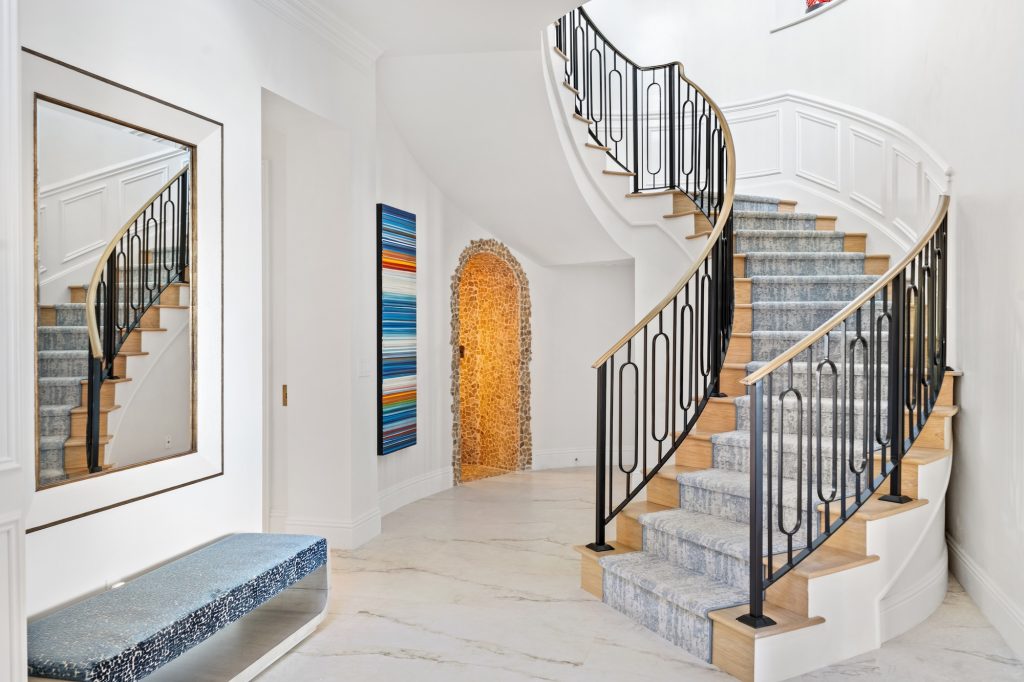
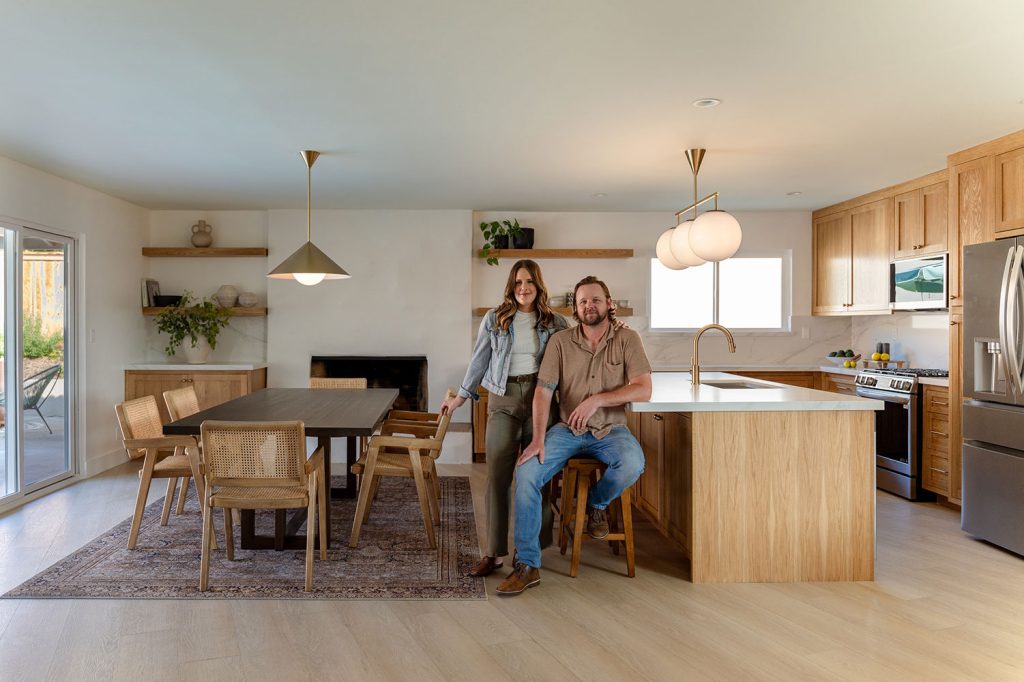
Architecture website design is visual by nature. Prospective clients should be able to see how we translate project photography, brand identity, information architecture, and business priorities into a working digital experience.
Our work ranges from highly visual residential practices to commercial and multidisciplinary firms. Each website is shaped around the firm’s own positioning rather than a single reusable architecture aesthetic.
Check out some of our featured work.


Why Nover?
1 Industry-specific focus
We work exclusively with architecture, engineering, construction, manufacturing, and related building-sector companies.
That specialization matters because architecture marketing is not simply a design exercise. Firms compete through referrals, qualifications, relationships, proposals, project experience, reputation, and long-term business development.
We understand how a strong visual portfolio fits into that larger decision process.
2 Strategy before design
We do not begin an architecture website by picking a homepage layout.
First, we clarify the clients, sectors, services, project types, markets, and growth goals the website needs to support.
Those decisions inform the sitemap, portfolio structure, messaging, search strategy, and conversion paths before visual preferences take over.
The result is design with a business reason behind it.
3 Full service execution
Websites work better when they connect to the rest of your marketing.
Our team can support AEC branding services, website strategy, design and development, SEO, AEO, content, lead generation, paid media, proposals, and other creative work within one marketing system.
That makes it easier to keep the firm’s positioning consistent from a Google search or project article through the website, inquiry, pursuit, and proposal process.
4 Flexible working style
Not every firm needs every marketing service at the same time.
We focus resources on the work most likely to move your goals forward, then adapt as priorities change.
For some firms, a new website is the immediate priority. For others, the launch creates a foundation for SEO, content, recruiting, business development support, or lead generation for architecture firms.
The strategy can evolve as the practice evolves.
4 Recognition
Our work and company have received current recognition including:
2026 Colorado Companies to Watch winner
2026 Proud & Purposeful Employers winner
Frequently asked questions about architecture website design
What should an architecture firm website include?
An architecture firm website should typically include clear service and sector information, selected projects, firm positioning, team expertise, process or approach, credibility signals, useful contact paths, and search-friendly content.
The exact structure depends on the firm. Residential practices may emphasize project photography and homeowner education, while commercial and institutional firms may need deeper sector, qualification, and team information.
How should an architecture firm organize its project portfolio?
An architecture portfolio should organize work around categories that are meaningful to prospective clients, such as sector, project type, service, location, or specialty.
Each project should also provide enough context to explain the firm’s role and relevance. Photography can demonstrate design quality, but concise project information helps visitors understand why that experience applies to their own needs.
Filters can be useful for larger portfolios, but they should simplify discovery rather than create unnecessary complexity.
Can an architecture website help generate new project inquiries?
Yes. An architecture website can support lead generation when it clearly explains the firm’s services, target sectors, project experience, geographic reach, differentiation, and next steps.
The website may capture demand directly through search, but it also supports referrals and business development. A prospect who already knows your name will often use the website to validate your experience before deciding whether to make contact.
Website conversion should focus on right-fit opportunities, not simply producing the largest possible number of form submissions.
Is SEO important for architecture firm websites?
Yes. SEO can help architecture firms appear when prospective clients research services, sectors, project types, specialties, or firms in a particular market.
Effective architecture SEO begins with site structure and useful content, not simply adding keywords to portfolio descriptions. Service pages, sector content, detailed project profiles, internal links, technical SEO, and ongoing expert content can all help strengthen organic visibility over time.
SEO is a long-term strategy, and no website redesign can guarantee specific rankings.
How often should an architecture firm redesign its website?
There is no fixed redesign schedule that applies to every architecture firm.
A redesign becomes worth considering when the site no longer represents the firm’s current work, positioning, markets, visual identity, technical requirements, or business development goals. Other signs include difficult content management, poor mobile usability, confusing navigation, limited search visibility, or a portfolio that has become difficult to organize.
The question is less about the website’s age and more about whether it still supports the practice effectively.
Build an architecture website that supports the work you want to win
Strong architecture website design combines visual quality with business clarity.
Your projects should look exceptional, but prospective clients should also be able to understand your services, find relevant sector experience, evaluate your expertise, learn how you approach the work, and know what to do next.
We bring architecture website strategy, portfolio planning, messaging, design, development, SEO, AEO, and broader AEC marketing experience together so your website can do more than document past work.
It can help support the work your firm wants to win next.
This site is protected by reCAPTCHA, and the Google Privacy Policy and Terms of Service apply.