
We’re using new AI tools to help clients get more value from the visual assets they already have. That means stronger website imagery, more engaging ad creative, and better marketing visuals without always needing a new photo or video shoot.
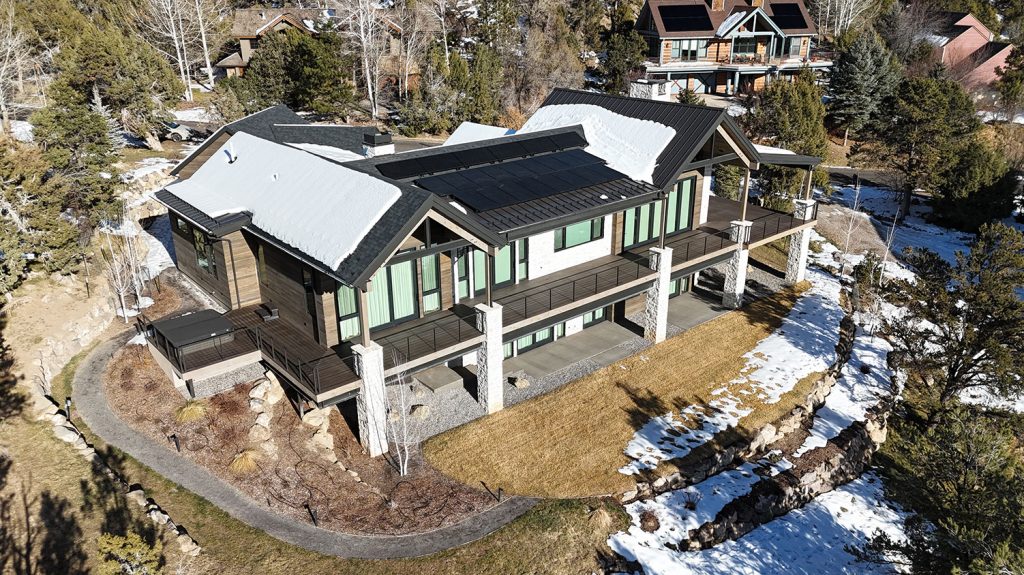
Season Shift: Before
This drone image was captured in late winter for a Colorado home builder. The home itself looked great, but the surrounding conditions did not. The grass was yellow, the landscaping was dormant, and the overall image felt flat and less inviting than it should have.
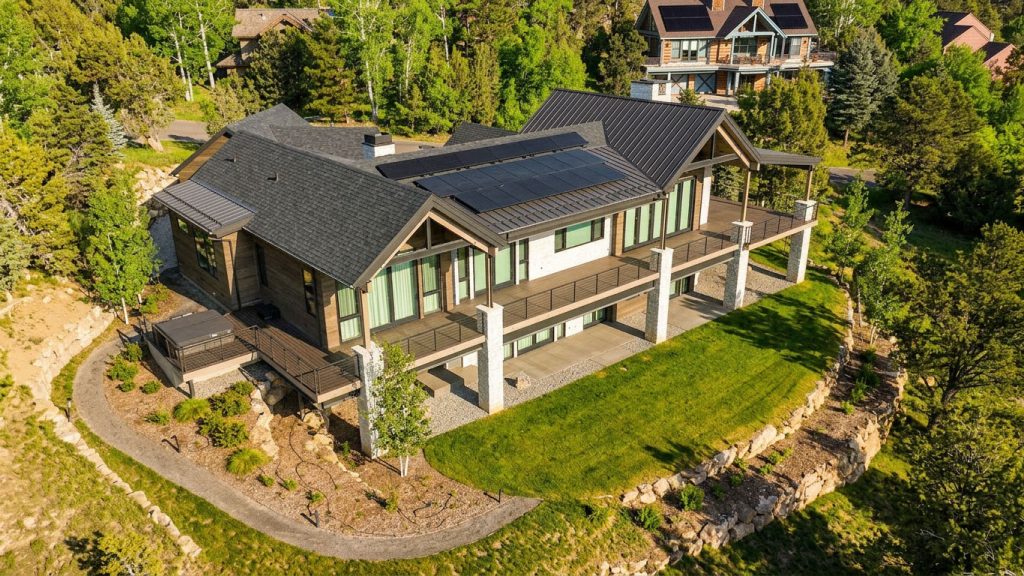
Season Shift: After
Using AI, we transformed that same image into a vibrant summer version. The composition, home, and perspective stayed the same, but the environment became greener, warmer, and more polished. The result is a stronger visual that better reflects the quality of the project.
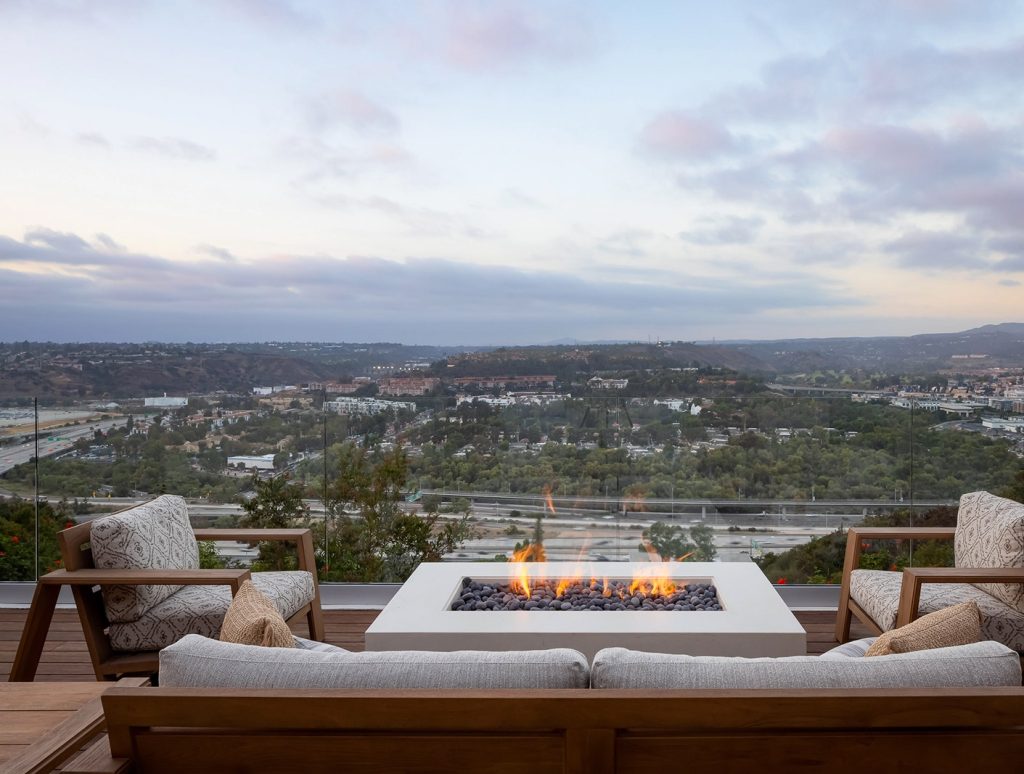
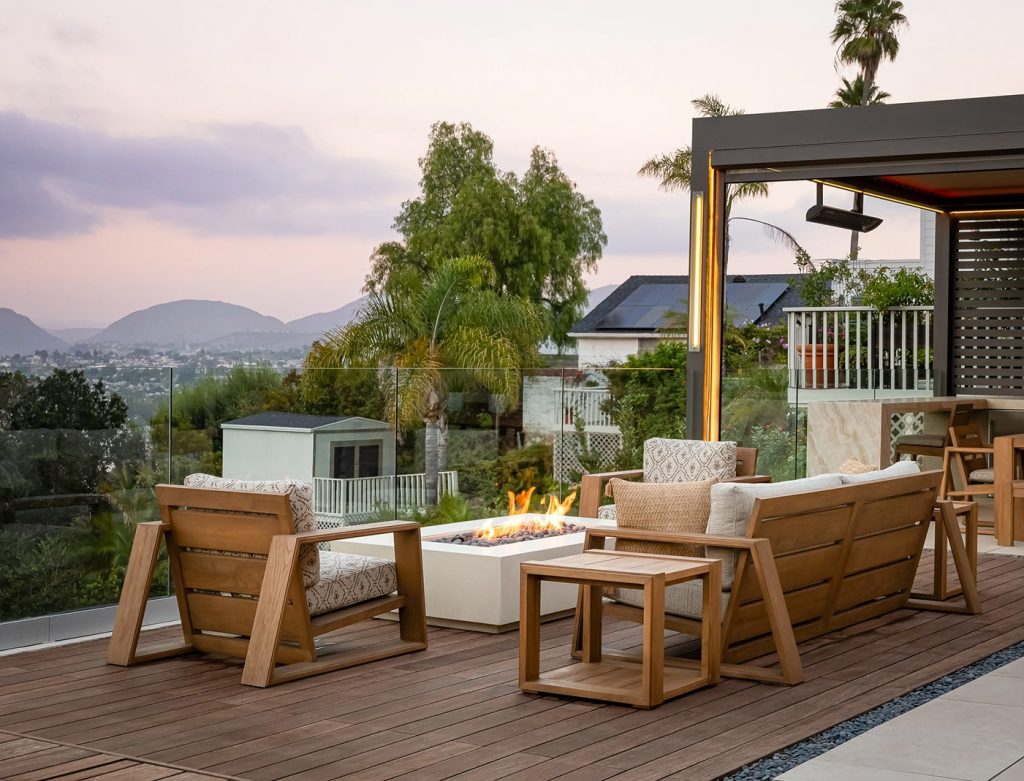
Still Photo to Video: Before
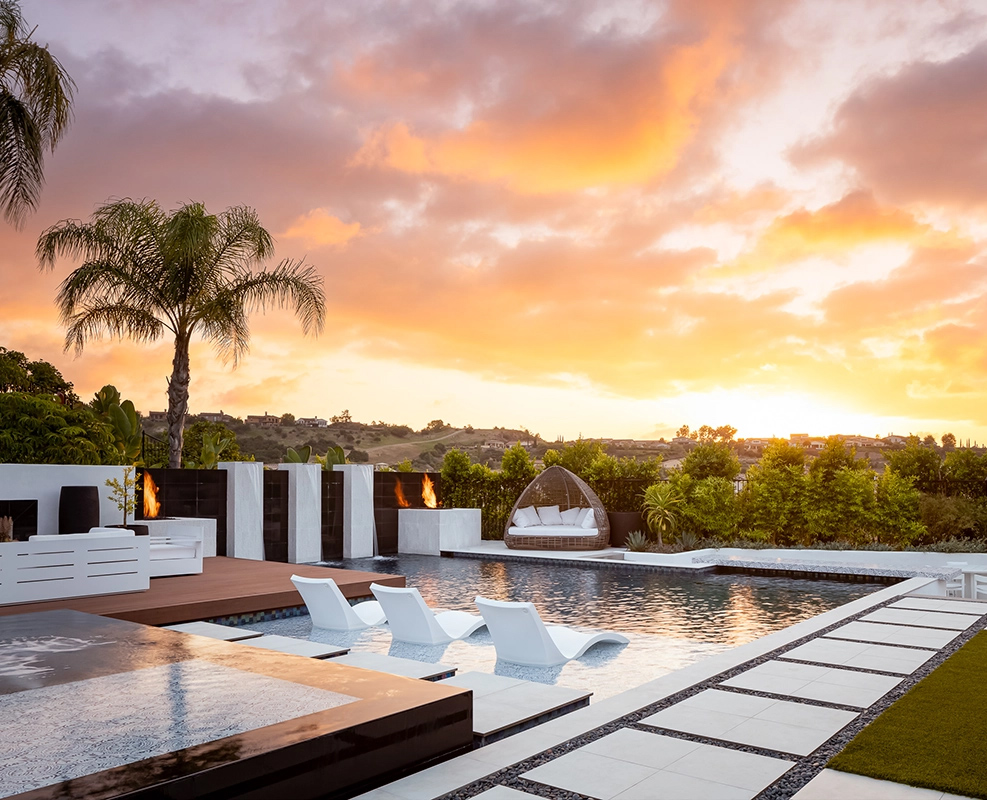
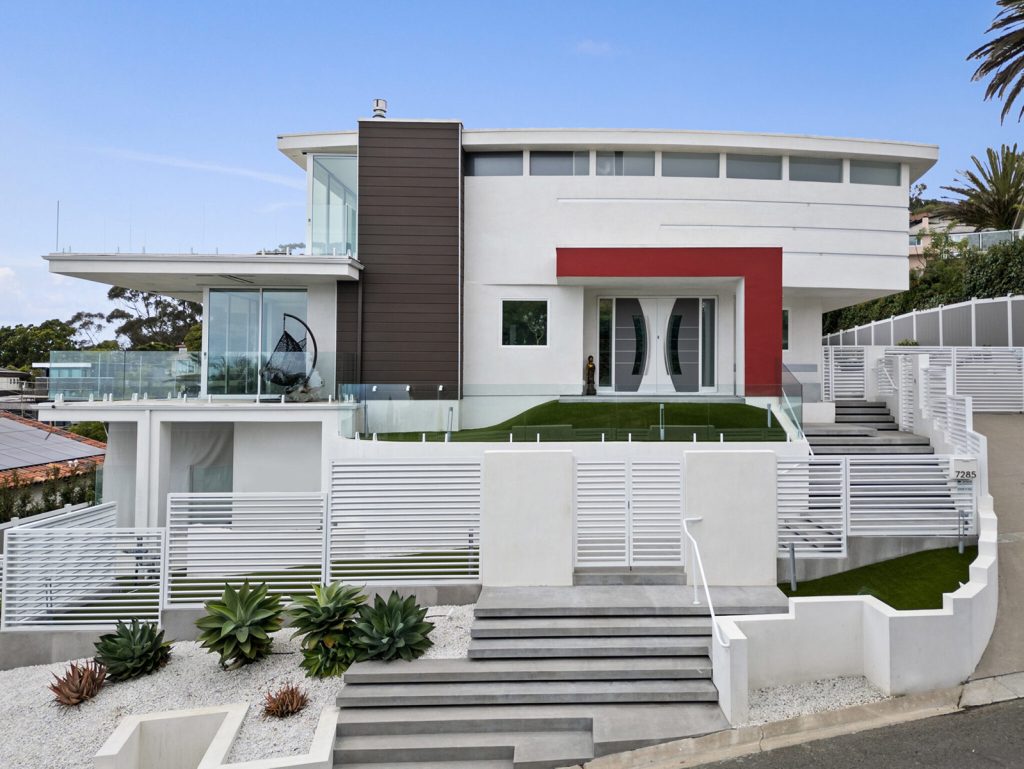
In this case, the client had strong still photography but no drone footage or video assets. That limited what we could create for social campaigns and video ads, even though the base imagery was high quality.
Still Photo to Video: After
Using AI, we were able to transform still photography into drone-style video content. That creates more dynamic visual assets for social media, Meta ads, and other digital campaigns without requiring a full video shoot.
Elevation to Rendering: Before
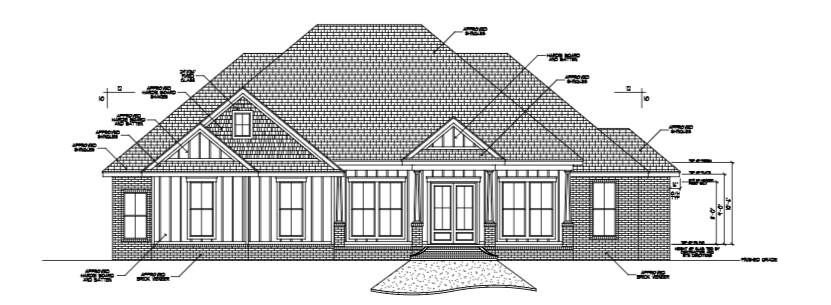
Here, the client only had a 2D front home elevation. While useful from a planning or design standpoint, it was not the kind of asset that feels compelling on a website or in marketing materials.
Elevation to Rendering: After
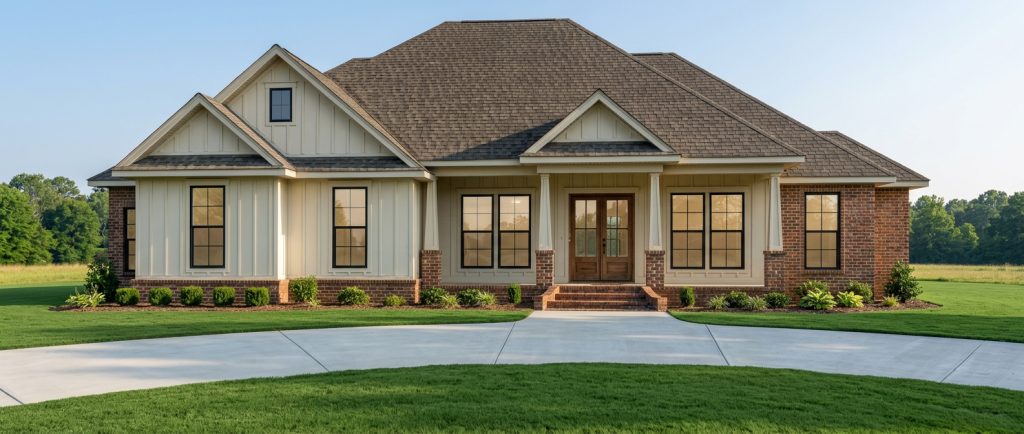
Using AI, we transformed that 2D elevation into a polished architectural rendering. It is not perfect, but it is a much stronger visual asset that makes the home feel more real, more marketable, and far better suited for digital use.
There are still details to refine. One of the posts sits too far back in the composition, and the roofline on the left side is missing. Even so, this version was created in about five minutes, and with a little more prompting, those issues could likely be cleaned up.
We still advise clients to invest in professional architectural renderings, especially when accuracy is critical. But when speed matters, or when we need to generate a large amount of content from very limited source material, this approach can absolutely do the job.
Better visuals from the assets clients already have
We’re using new AI tools to help clients get more value from the visual assets they already have. In some cases, that means improving an existing photo so it better reflects the quality of the project. In others, it means creating new marketing visuals from assets that were never originally intended for motion or presentation use.
For example, a drone photo taken in late winter can be transformed into a stronger summer image with greener landscaping and a more inviting overall feel. A client with only still photography can use those images to create video ads and social content that feel more dynamic. And a simple 2D front elevation can become a polished rendering that is much more effective in a marketing context.
Why it matters
Good visuals shape how a company is perceived before a prospect reads a single word. For AEC brands, stronger visuals can improve the look of a website, make ad creative more engaging, and help project work feel more compelling online.
This is not about replacing professional photography or traditional creative work. It is about extending what is possible with the assets a client already has and using the right tools to close common content gaps. The result is a more polished digital presence and more flexibility in how projects are presented across websites, social media, and advertising.
Closing
As these tools improve, they are giving AEC companies new ways to elevate their marketing visuals. From realistic photo enhancements to motion content and architectural renderings, AI is helping turn existing assets into stronger website and ad creative.
